

Legal Aid Clinic
For Students

Practical legal training
Specialist Clinics
The Legal Aid Clinic hosts at least five (5) special clinics each year. Each Specialist Clinic operates for a duration of 6-8 weeks. Student participation is on a voluntary basis. The delivery of the Clinic is subject to the availability of facilitators and sufficient interest on the part of students. Students are required to sign-up for the specialist clinic of their choice and are responsible for ensuring that attendance at the clinic will not result in clashes with scheduled seminars. On the satisfactory completion of a Specialist Clinic the student may be permitted to treat the Specialist Clinic as a file.
The Estate Administration Specialist Clinic is a practice-oriented training initiative designed to bridge the gap between theoretical instruction and real-world legal practice in estate administration. It responds directly to identified deficiencies in both the law school curriculum and professional readiness of graduates.
By leveraging the expertise of the Administrator-General’s Department Jamaica, the Specialist Clinic introduces students to complex, real-life estate matters that are not adequately covered in traditional coursework.
The Clinic is open to a maximum of 30 students for 2-hour sessions once per week for six weeks. The sessions are conducted by Attorneys from the Administrator General’s Department.
At the end of the Clinic students undergo a written group assessment where they are required to draft documents and a legal opinion.
The primary objective of this Clinic is to provide students with practical exposure to the everyday aspects of criminal practice. It aims to offer hands-on experience to students interested in this area, helping them make informed career choices upon graduating from the Law School.
The Specialist Clinic includes site visits, exposure to crime scene investigation, the ID parade process, specialist reports including reports on the mental capacity of accused persons. Students interact with experienced personnel at courts, police stations and agencies who provide insights into the workings of the various government departments and agencies, allowing them to gain a deeper understanding of the legal system.
At the end of the Clinic, students undergo an assessment, which may be by way of a general group evaluation and individual meetings with the Coordinator. Assessment criteria encompass written work, reports, and feedback from the assigned practitioners.

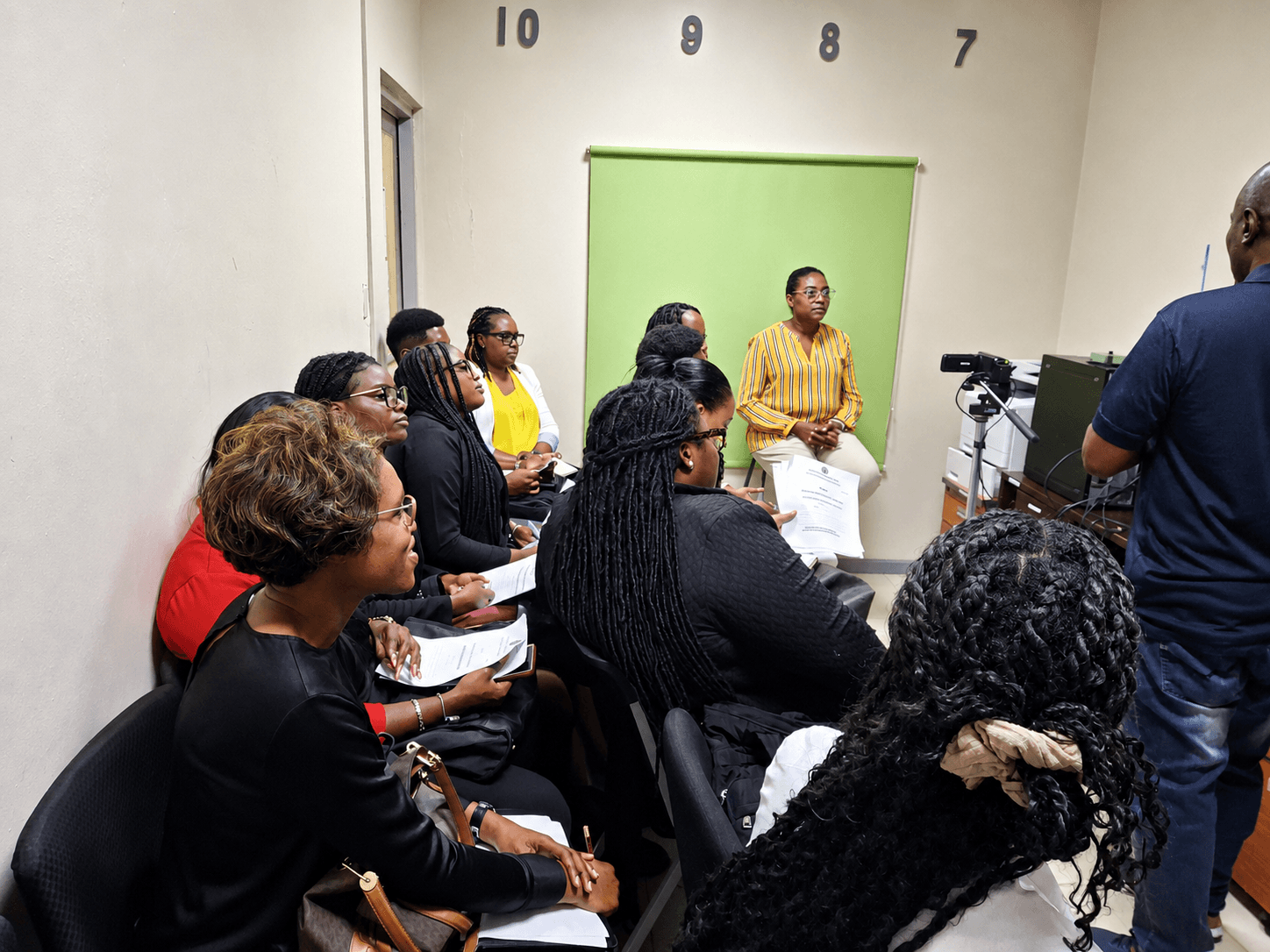
The learning outcome of the clinic: To provide law students with the knowledge, practical legal skills, and ethical awareness in advising and representing clients effectively in the area of construction law.
The course commences with Legal Systems and Construction: the concept of construction law, the terms used, and the regulatory strictures governing it.
Contract Formation: In this section, the structure of the contract is discussed, from the drawings through to zoning and land use, environmental compliance, and the submission and approval, bringing the idea of the drawing to life.
The legal creation of the idea is discussed: the parties to the contract, the terms, and the contract agreements. Mediation and arbitration are discussed as methods of resolving disputes during the life of the contract.
Building in an era of robust climate change and technological transformation in the building environment are topics discussed with relevant case law.
The learning outcome of the clinic: students should have developed the competence, confidence, and ethical foundation required for modern legal practice while contributing to access to justice and the responsible development of the construction sector.
Assessment: Student teams manage a simulated construction law matter from client interview through legal advice, contract analysis, and dispute resolution strategy. Teams participate in a construction dispute that uses mediation involving a contractor, employer, subcontractor, or consultant.
The primary objective of the Conveyancing Clinic (Clinic) is to provide students with practical exposure to common land applications a newly minted Attorney-at- Law should be able to conclude. This exposure aims to assist them in concretizing and connecting the Conveyancing Course to practice. It guides them in making informed decisions pertaining to their career.
This Clinic is a specialized component within the Legal Aid Clinic and is exclusively open to Year II students at the Law School. The Clinic is generally available to approximately thirty students, and participation is on a first registered basis. At times some students are allowed as guests observers. Coordination of this Clinic is facilitated by Tutor/Attorney-at-Law Janett Levy.
Participants meet weekly for approximately 1 ½ hour sessions for six weeks. It includes special guests from the Bar who are experts in the practice of conveyancing, representatives from the National Land Agency, Surveyors and any other person or agency relevant to the area undertaken that year. Students are assigned, whenever possible, to files within the Legal Aid Clinic which concerns the area under consideration.
At the end of the Clinic, students undergo an assessment, which may be conducted individually or by way of group evaluation. Assessment criteria encompass drafting relevant documents, preparing research and letters to institutions or clients. They are assessed on a pass / fail criterion and receive a certificate upon completion.
The primary objective of this Clinic is to provide students with practical exposure to aspects of data protection implementation and compliance. It aims to offer hands-on experience to students interested in this area, helping them make informed career choices upon graduating from the Law School.
This Clinic is a specialized component within the Legal Aid Clinic and is exclusively open to Year II students at the Law School. Each year, approximately 30 students have the opportunity to participate. Coordination of this Clinic is overseen by the Clinic Director.
Students are assigned, whenever possible, to actual cases for clients desirous of either registering under the Data Protection Act or further developing a compliance programme under the Jamaican Data Protection Act. They are responsible for attending client interviews, taking statements, data mapping, preparing training materials and drafting impact assessments.
At the end of the Clinic, students undergo assessment, which may be by way of a general group evaluation and individual assignments. Assessment criteria encompass written work, reports, and feedback from participating Data Privacy Practitioners.
The clinic aims to provide law students with a comprehensive understanding of the legal principles governing the entertainment and creative industries, while developing the analytical, practical, ethical, and commercial skills necessary to advise, represent, and protect the interests of creators, performers, producers, and media entertainment businesses in both domestic and international contexts.
The clinic begins by outlining the purpose of entertainment law in the entertainment industry, the terms used in the industry, and the regulatory features governing it.
Legislation: The clinic examines legislation and regulatory features that govern the entertainment industry, such as the Copyright Act, trademark and intellectual property rights, the Data Protection Act, and the Designs Act. Legislation that touches on and concerns contract law and case law in the entertainment industry is discussed.
Entertainer: Definition of an entertainer and discussion on different categories of entertainers, such as songwriters, music producers, artists, social media personnel, and persons in the performing arts industry.
Contracts in Entertainment: Parties to the contract, terms of the contract agreements. Mediation and Arbitration are discussed as methods for resolving disputes during the contract term.
Technology and Entertainment Law: The future of entertainment law and the impact of artificial intelligence in entertainment law.
The learning outcome at the end of the clinic: students should be able to identify and analyse the legal issues affecting the music, film, television, theatre, publishing, sports, gaming, fashion, and digital media industries.
Apply the principles of contract law to the drafting, interpretation, and negotiation of entertainment agreements, including recording, publishing, licensing, management, sponsorship, and production contracts.
Additionally, demonstrate an understanding of intellectual property law by advising on the protection and enforcement of copyright, trademarks, performers' rights, and related rights.
Assessment: Students draft, review, or negotiate entertainment contracts such as artist management, recording, publishing, licensing, or sponsorship agreements. Participate in a simulated negotiation or mediation involving an entertainment law dispute.
The primary objective of this Clinic is to provide students with basic knowledge and practical exposure to aspects of environmental law or climate change. It aims to offer guidance to students interested in this area, helping them make informed career choices upon graduating from the Law School.
This Clinic is a specialized component within the Legal Aid Clinic and is open to both Year 1 and Year II students at the Law School. Each year, approximately 24 students are able to participate. Coordination of this Clinic is overseen by the Clinic Director.
Participants meet weekly for 1 ½ -hour sessions. It includes on-site visits to affected focus areas and interactions with various government departments and agencies. Students interact with citizens being impacted or affected allowing them to gain a deeper understanding of the legal system.
Students are assigned, whenever possible, to actual trial cases, draft guidance documents or to make proposals for legislative reform.
At the end of the Clinic, students undergo assessment, which may be by way of a general group evaluation. Assessment criteria encompass written work, reports, and feedback from the assigned practitioners.
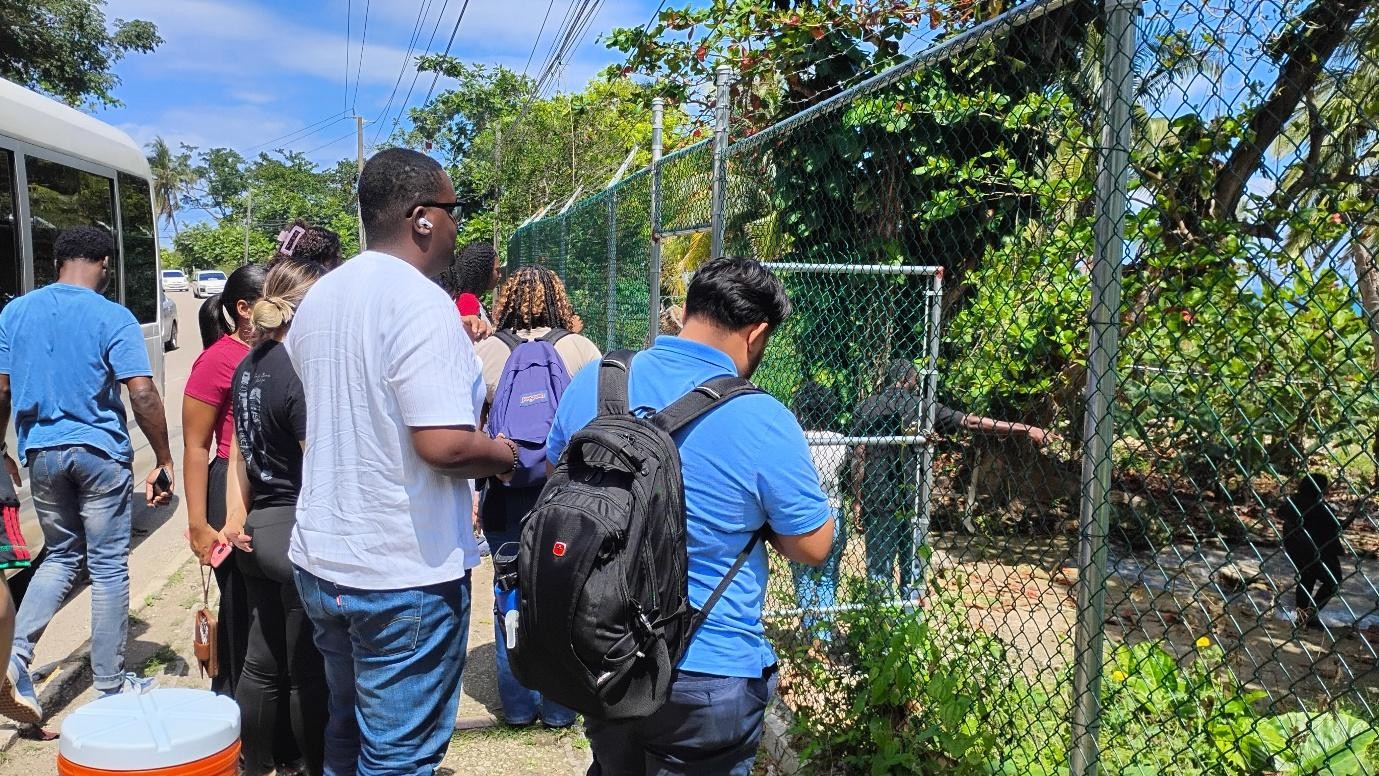
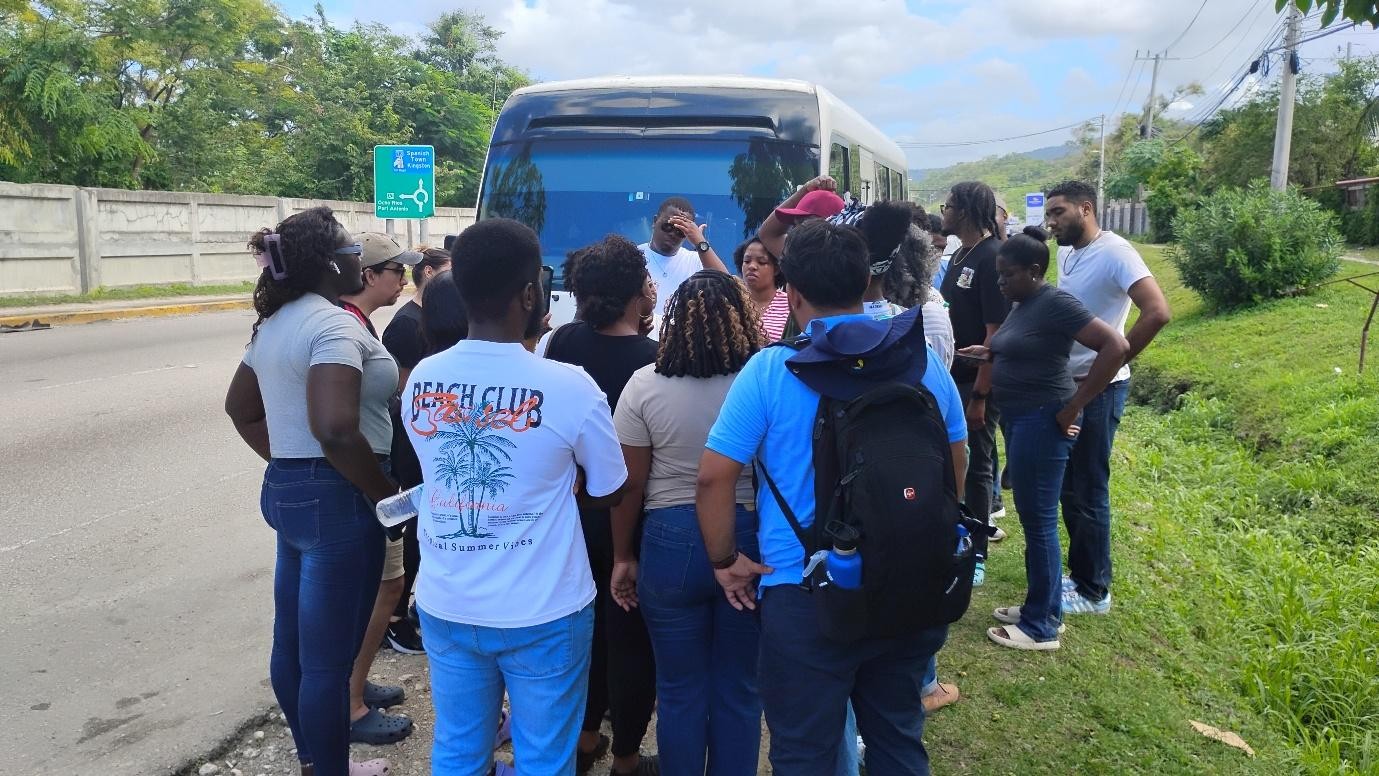
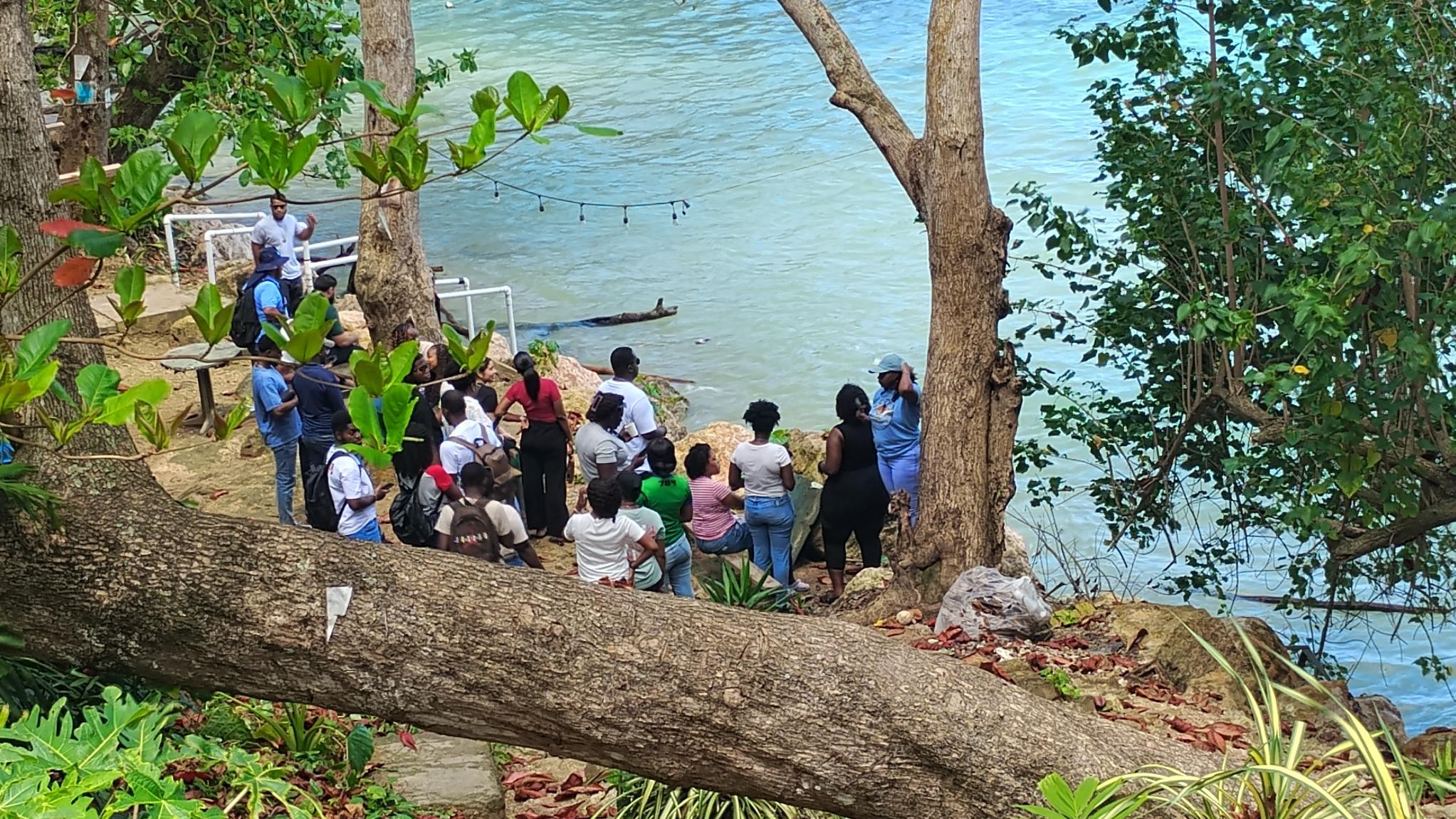
The primary goal of the Human Rights Law Clinic is to impart essential legal values, skills, and attitudes to students within the context of human rights education. It is important to note that this Clinic does not teach substantive human rights law. While prior knowledge of human rights is not a prerequisite, prior to commencing the Clinic students are encouraged to review the Bill of Rights under the Constitution of Jamaica.
The overarching vision is to prepare participating students to advise the public about human rights issues and equip them to promote the respect of fundamental human rights and freedoms while advocating for social justice.
This Clinic is facilitated by the Office of the Public Defender. Students will be required to attend at that Office on a day and time of their choosing each week (Mondays to Fridays) to assist the Public Defender with making decisions concerning whether the Constitutional Rights of Jamaican Citizens have been breached pursuant to Chapter 3 of the Jamaican Constitution. Students are required to attend in person at the Office of the Public Defender in Kingston.
At the end of the Clinic, students undergo assessment. Assessment criteria encompass written work, reports, and feedback from the supervising practitioner from the Office of the Public Defender.
The primary goal of the Maritime Law Clinic is to equip students with basic knowledge about the various aspects of Maritime Law and relevant legislation including applicable international treaties, conventions and national legislation, key terms and relevant institutions, principles of towage, salvage, acquiring ownership of & registration of ships/ vessels, carriage of goods by sea, marine insurance, threats to maritime safety and marine pollution.
This Clinic is facilitated by the Maritime Authority in addition to lecturers/ attorneys from the Caribbean Maritime Institute. It aims to offer guidance to students interested in this area, helping them make informed career choices upon graduating from the Law School.
This Clinic is a specialized component within the Legal Aid Clinic and is open to both Year 1 and Year II students at the Law School. Each year, approximately 24 students are able to participate. Participants meet weekly for 1 ½ -hour sessions. It includes on-site visits to the Maritime Authority and Fisheries Division and interactions with various government departments and agencies.
Students are assigned, whenever possible, to perform actual work on developing policies and regulations and make proposals for legislative reform.
At the end of the Clinic, students undergo assessment, which may be by way of a general group evaluation. Assessment criteria encompass written work, reports, and feedback from the assigned practitioners.
The primary goal of the new Mediation Clinic is to equip students with the practical aspects of preparing for mediations and attending mediations as Counsel. Students will be introduced to mediation principles, negotiation strategies, preparatory steps for best outcomes and writing enforceable agreements. It aims to offer guidance to students interested in this area, developing students' competencies of negotiation and case management.
This Clinic is facilitated by an attorney-at-law in this practice area. As a part of the practical, students will be expected to observe at least one mediation exercise. At the end of the Clinic, students undergo assessment. The Clinical Assessment will include students preparing documentation for a mediation in addition to developing material for the purpose of public education on the mediation process.
The primary goal of the Sports Law Clinic is to equip students with basic knowledge about the various aspects of Sports Law and relevant legislation.
This Clinic is facilitated by an attorney-at-law in this practice area. It aims to offer guidance to students interested in this area, helping them make informed career choices upon graduating from the Law School.
This Clinic is a specialized component within the Legal Aid Clinic and is open to both Year 1 and Year II students at the Law School. Each year, approximately 24 students are able to participate. Participants meet weekly for 1 ½ -hour sessions.
Students are assigned, whenever possible, to perform actual work on an actual case.
At the end of the Clinic, students undergo assessment, which may be by way of a mock arbitration hearing and feedback from the assigned practitioners.
This is a Legal Advice Clinic delivered in partnership with the Hugh Wooding, Eugene Dupuch and University of Leicester Legal Aid Clinics. The aim of the Clinic is to raise awareness about the UK Home Office Windrush Compensation Scheme through educational outreach and engagement amongst the Trinidadian and Tobagonian, Jamaican and the Bahamian community and surrounding Caribbean Islands.
Additionally the Specialist Clinic aims to co-create accessible legal and informational resources for local communities in Trinidad and Tobago, Jamaica and The Bahamas and surrounding Islands, including printed materials, digital guides, and toolkits. Finally the Clinic aims to deliver community-based workshops and information sessions to educate and empower individuals about their rights and the claims process.
At the end of the Clinic, students undergo assessment, which will be by way of feedback from the assigned practitioners on material produced.
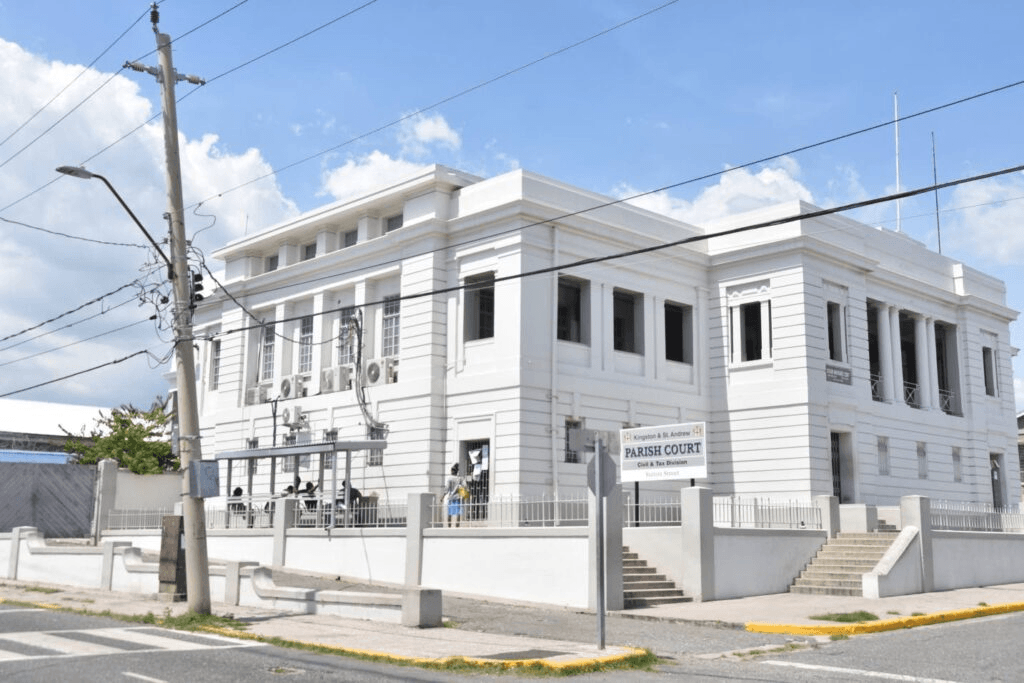
Community outreach
Outreach and Public Education
Student Outreach ProjectsOpenClose
Through supervised outreach projects, students engage directly with communities on legal issues that affect everyday life. These activities allow students to apply their developing knowledge in practical settings while helping members of the public better understand their rights, responsibilities and the avenues available for assistance.

Public EducationOpenClose
Public legal education is a central part of the Clinic’s community outreach. Through presentations, workshops and other initiatives, the Clinic makes legal information more accessible and easier to understand. Its flagship public education initiative, the annual Legal Aid Fair, brings together the Clinic and key stakeholder agencies to provide practical guidance on commonly encountered legal and social issues.

Stakeholder ConsultationsOpenClose
The Clinic engages with justice-sector institutions, government agencies, community organisations and other stakeholders on matters affecting access to justice and the delivery of legal services. These consultations support the exchange of knowledge, strengthen referral and service networks, and help ensure that the Clinic’s outreach remains responsive to the needs of the communities it serves.
